If you've ever walked out to check on your pool cover only to find it sagging under inches of rainwater, you know that sinking feeling all too well. That standing water isn't just unsightly—it's creating the perfect breeding ground for mosquitoes, putting unnecessary strain on your cover, and making your pool area look neglected.
The solution? A reliable pool cover pump. But here's where many pool owners get stuck: should you invest in an automatic pump that does the work for you, or save some money with a manual model that requires a bit more attention?
We've helped thousands of pool owners navigate this decision, and the truth is, there's no one-size-fits-all answer. The right choice depends on your specific situation, climate, and how hands-on you want to be with pool maintenance. In this guide, we'll break down everything you need to know about automatic versus manual pool cover pumps so you can make the best choice for your pool.

Why Your Pool Cover Needs a Pump in the First Place
Before we dive into the automatic versus manual debate, let's talk about why this matters. Your pool cover is doing important work—keeping debris out, retaining heat, preventing evaporation, and keeping your pool safe. But when water accumulates on top, several problems emerge:
The weight issue: Just one inch of water across a 20x40 pool cover weighs over 1,000 pounds. That's enough to stretch or tear even high-quality covers, shortening their lifespan significantly.
The safety concern: Sagging, water-logged covers create a drowning hazard, especially for children and pets who might mistake the surface for solid ground.
The mosquito magnet: Standing water becomes a breeding ground within days, turning your covered pool into a backyard mosquito nursery.
The aesthetic problem: Let's be honest—a pool cover weighed down with murky water isn't doing your backyard any favors.
A good cover pump solves all these issues by removing water before it becomes a problem. The question is: how involved do you want to be in that process?
Understanding Manual Pool Cover Pumps
Manual pool cover pumps are the traditional workhorses of pool maintenance. These pumps run continuously once you plug them in and turn them on, pumping water until you manually shut them off.

How Manual Pumps Work
The operation couldn't be simpler. You place the pump on the lowest point of your pool cover where water has accumulated, plug it into a GFCI-protected outlet, and flip the switch. The pump draws water through its base and pushes it out through a discharge hose, which you position to drain away from your pool.
The key difference: You need to actively monitor a manual pump. When the water's gone, you turn it off. If more rain comes, you turn it back on. It's hands-on maintenance that requires regular attention.
Advantages of Manual Pumps
Lower upfront cost: Manual pumps typically cost $15-30 less than their automatic counterparts with similar pumping capacity. For budget-conscious pool owners, this matters.
Higher flow rates available: Many manual pumps offer impressive gallons-per-hour (GPH) ratings. The Sunnora Swimming Pool Cover Pump (1500 Gallons Per Hour Manual) at $74.99 can clear water faster than many automatic models, making it ideal for areas that get sudden heavy rainfall.
Simplicity means reliability: With fewer moving parts and no sensor mechanism, manual pumps have less that can go wrong. They're straightforward, durable tools that can last for years with basic care.
Total control: Some pool owners prefer knowing exactly when their pump runs. You're in complete control of the operation schedule.
Disadvantages of Manual Pumps
Constant vigilance required: You need to check your pool cover regularly—especially after rainstorms. Miss a few days during a rainy stretch, and you might return to find significant water accumulation.
Risk of running dry: If you forget to turn off a manual pump after the water's gone, it can run dry and potentially burn out the motor. This is the most common cause of premature pump failure.
Not ideal for vacation homes: If your pool isn't at your primary residence, or if you travel frequently during the off-season, a manual pump creates worry. You can't remotely turn it on when storms roll through.
Higher energy usage potential: Because you control when the pump runs, there's a risk of running it longer than necessary, using more electricity than an automatic model would.
Best Manual Options
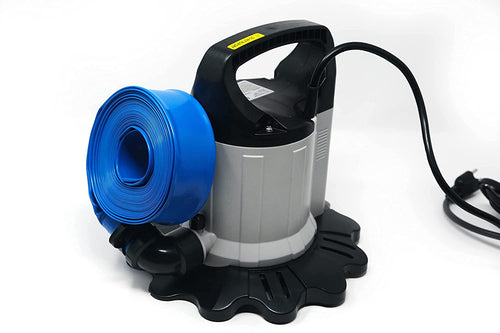
For those prioritizing pumping speed and power, the Sunnora Swimming Pool Cover Pump (1500 Gallons Per Hour Manual) offers impressive performance at $74.99. Its 1500 GPH rating means it can handle serious water accumulation quickly.
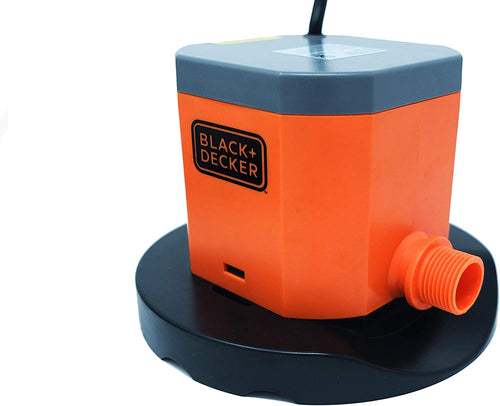
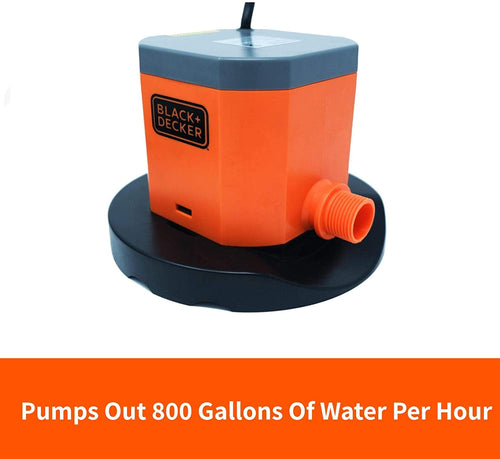
If you're looking for a reliable mid-range option, the BLACK+DECKER 800 GPH Manual Pool Cover Pump at $64.99 provides trusted brand quality with enough power for most residential pool covers.
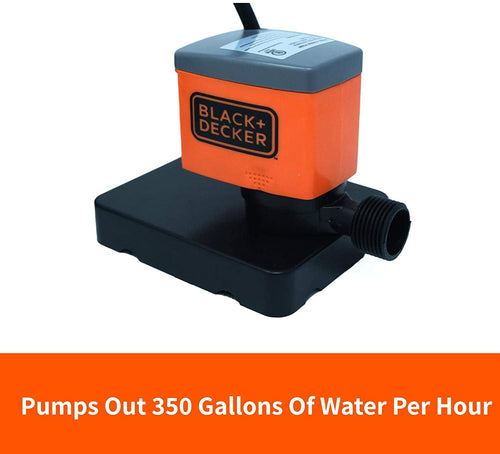
For smaller covers or budget-conscious buyers, the BLACK+DECKER 350 GPH Manual Pool Cover Pump at $49.99 delivers solid performance without breaking the bank.
Understanding Automatic Pool Cover Pumps
Automatic pool cover pumps represent the "set it and forget it" approach to pool cover maintenance. These pumps use sensors to detect water presence and automatically turn on when needed, then shut off when the job's done.
How Automatic Pumps Work
Automatic pumps feature a sensor mechanism—typically a float switch or water-sensing technology—that monitors water levels. When water reaches a certain depth (usually around 1/8 to 1/4 inch), the pump automatically kicks on. Once water is pumped down to a very shallow level, the sensor triggers the pump to shut off automatically.
The peace-of-mind factor: Place your automatic pump in the fall, and it handles water removal all winter long without requiring your attention. It's responsive maintenance that happens whether you're home or away.
Advantages of Automatic Pumps
Hands-off operation: This is the primary selling point. Once positioned, an automatic pump works independently, monitoring and removing water as needed throughout the season.
Protection from running dry: The automatic shut-off feature means the pump won't burn itself out by running after water is gone. This single feature can extend pump life significantly.
Perfect for vacation homes: If you're not checking your pool weekly, an automatic pump ensures your cover stays protected even during your absence.
Energy efficient: Automatic pumps only run when necessary, potentially using less electricity over the season compared to a manual pump that might be left running too long.
Weather-responsive: When that surprise storm rolls through at 3 AM, your automatic pump is already on the job. No need to rush outside in your pajamas.
Disadvantages of Automatic Pumps
Higher initial investment: You'll typically pay $10-20 more for an automatic pump compared to a manual model with similar flow rate. For some buyers, this price difference is the deciding factor.
Sensor maintenance required: The automatic sensor needs to be kept clean and free from debris to function properly. Leaves, algae buildup, or ice can interfere with sensor operation.
Slightly more complex: More components mean more potential points of failure. While quality automatic pumps are very reliable, the sensor mechanism adds complexity compared to simple manual pumps.
May not fully drain: Some automatic pumps leave a thin layer of water (about 1/8 inch) on the cover because they shut off before reaching completely dry. This is usually not a problem but can bother perfectionists.
Best Automatic Options
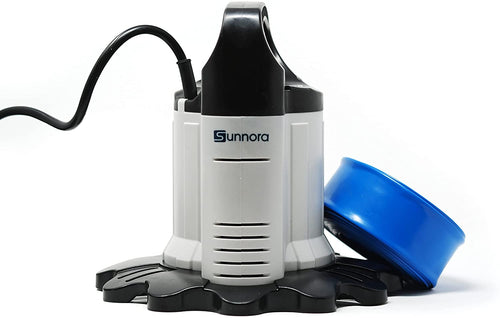
The Sunnora Swimming Pool Cover Pump (1500 Gallons Per Hour Automatic) at $84.99 combines powerful 1500 GPH pumping capacity with automatic convenience—our top recommendation for larger covers or high-rainfall areas.
For trusted brand reliability with automatic operation, the BLACK+DECKER 800 GPH Automatic Pool Cover Pump at $69.99 offers the perfect balance of performance, features, and price for most pool owners.
Making Your Decision: Which Type Is Right for You?
Let's get practical. Here are the key questions to ask yourself:
Choose a Manual Pump If:
-
Budget is your primary concern: That $15-30 savings matters in your pool maintenance budget
-
You're frequently home: You check your pool cover regularly anyway and don't mind the extra task
-
You have a small cover: Less surface area means less water accumulation and easier monitoring
-
You live in a low-rainfall area: If heavy precipitation is rare, manual operation isn't burdensome
-
You prefer maximum control: You like knowing exactly when equipment runs
-
You want the highest flow rate: Top-tier manual pumps often outpace automatic models in GPH
Choose an Automatic Pump If:
-
Convenience is worth the investment: You'd rather pay a bit more for peace of mind
-
You travel during winter months: Vacation homes and frequent travelers benefit enormously from automatic operation
-
You live in a high-rainfall climate: Regular storms mean constant water accumulation
-
You have a large pool cover: More surface area catches more water and requires more frequent pumping
-
You want equipment longevity: Protection from dry-running can extend pump lifespan
-
You're forgetful or busy: Life gets hectic—an automatic pump works even when you forget
Pro Tips for Pool Cover Pump Success
Regardless of which type you choose, these best practices will help you get the most from your investment:
Position strategically: Place your pump at the absolute lowest point on your cover where water naturally collects. This ensures maximum water removal and, for automatic pumps, reliable sensor triggering.
Use a GFCI outlet: This is non-negotiable for safety. Pool cover pumps operate in wet conditions, and GFCI protection prevents electrical hazards. If you don't have an outdoor GFCI outlet near your pool, have one installed—it's worth it.
Secure the discharge hose: Make sure water pumps away from your pool area. Use zip ties or stakes to keep the hose in place during operation. Water flowing back toward your pool defeats the entire purpose.
Clean the pump regularly: Remove debris from the pump intake screen and, for automatic models, keep the sensor clean. This simple maintenance prevents most common problems.
Store properly in off-season: When pool season returns, clean your pump thoroughly, let it dry completely, and store it indoors. Proper storage can double or triple the lifespan of your pump.
Consider a backup: For vacation homes or extremely large pools, having a second pump on hand provides insurance against failure during critical times.
The Bottom Line: Our Recommendation
After helping countless pool owners through this decision, here's our honest take:
For most pool owners, an automatic pump is worth the modest extra investment. The convenience factor alone justifies the price difference, and the dry-run protection often pays for itself by extending pump life. The BLACK+DECKER 800 GPH Automatic Pool Cover Pump at $69.99 hits the sweet spot of reliability, brand trust, and automated convenience for typical residential pools.
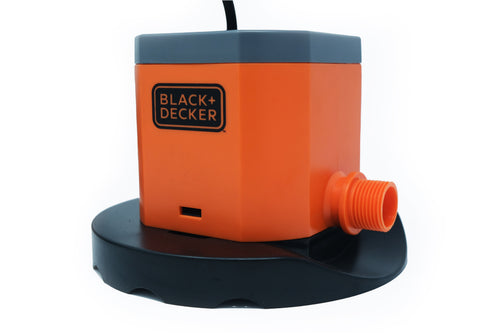
For budget-conscious buyers who are home regularly and don't mind hands-on maintenance, a manual pump works perfectly well. The BLACK+DECKER 800 GPH Manual Pool Cover Pump at $64.99 delivers excellent performance and saves you a few dollars.
For large pools or high-rainfall areas, consider the Sunnora Swimming Pool Cover Pump (1500 Gallons Per Hour Automatic) at $84.99. Its combination of high pumping capacity and automatic operation tackles serious water accumulation without requiring your constant attention.
Your Next Steps
Choosing the right pool cover pump protects your investment, keeps your pool area safe and attractive, and gives you one less thing to worry about during the off-season. Whether you opt for the hands-on approach of a manual pump or the convenience of an automatic model, you're taking an important step in responsible pool ownership.
Browse our complete selection of pool cover pumps to find the perfect match for your needs. And remember—we're here to help. If you have questions about pumping capacity, automatic features, or which model works best for your specific situation, our team is just a phone call or email away. We want you to feel confident in your choice and supported throughout your pool ownership journey.
Ready to protect your pool cover? Shop our pool cover pumps today and enjoy the peace of mind that comes with proper water management all season long.