You're standing in the pool pump aisle (or scrolling through product listings online), and every submersible pump seems to shout a different number at you: 350 GPH! 800 GPH! 1500 GPH! If you're like most pool owners, you're probably wondering: what do these numbers actually mean, and more importantly, how much pumping power do you really need?
We get it. When you're trying to protect your pool investment and keep your winter cover in good shape, the last thing you want is to waste money on a pump that's either underpowered for your needs or so overpowered that you're paying for capacity you'll never use.
The good news? Understanding GPH (gallons per hour) isn't complicated once you know what to look for. In this guide, we'll demystify pump capacity ratings, help you calculate exactly what your pool cover needs, and show you how to choose a submersible pump that's perfectly matched to your situation. By the end, you'll feel confident making a decision that protects your cover all winter long without second-guessing yourself.
What Does GPH Actually Mean?
Let's start with the basics. GPH stands for gallons per hour—it's the measure of how much water a pump can move in sixty minutes under ideal conditions.
Think of it like this: if you're filling a bucket with a garden hose, the GPH would tell you how many gallons that hose can deliver in an hour. A 1500 GPH pump can theoretically move 1,500 gallons of water every hour when operating at peak efficiency.
Here's the important part: that "under ideal conditions" phrase matters more than you might think. Real-world performance depends on several factors that can reduce a pump's effective output.
Factors That Affect Real-World Pumping Performance
Understanding these variables helps you choose the right pump capacity for your actual needs:
Vertical Lift (Head Height)
This is the biggest factor affecting pump performance. Vertical lift refers to how high the pump needs to push water from where it sits on your cover to where the discharge hose ends.
The reality: Every foot of vertical lift reduces pumping capacity. If your pump needs to push water up and over a deck railing, then down to your yard, that's adding vertical lift that slows the flow rate. Most residential applications involve minimal vertical lift (just a few feet), but it's still worth considering.
Discharge Hose Length and Diameter
Longer hoses and narrower diameters create resistance that reduces flow. A pump rated at 1500 GPH with a short, wide hose will outperform the same pump trying to push water through 50 feet of narrow tubing.
Pro tip: Use the widest discharge hose your pump accommodates, and keep the run as short as practical while still directing water away from your pool.
Water Temperature
Cold water is more viscous than warm water, meaning it flows less easily. During winter months, your pump is working harder than it would in summer conditions. This typically reduces performance by 10-15% in freezing temperatures.
Debris and Blockages
Leaves, twigs, and sediment can partially clog intake screens or discharge hoses, reducing flow. This is why regular pump maintenance matters—a clean pump performs at its rated capacity; a dirty one doesn't.
Calculating How Much Water Your Cover Accumulates
Before we can determine the right GPH rating, we need to understand how much water we're dealing with. Don't worry—the math is straightforward.
The Basic Formula
Here's how to calculate water volume on your pool cover:
Pool Surface Area × Water Depth = Volume
Let's break this down with a real example:
Example 1: Standard rectangular pool
-
Pool dimensions: 20 feet × 40 feet
-
Water depth on cover: 2 inches (0.167 feet)
-
Calculation: 20 × 40 × 0.167 = 133.6 cubic feet
-
Convert to gallons: 133.6 × 7.48 (gallons per cubic foot) = 999 gallons
So two inches of water on a 20×40 pool cover equals nearly 1,000 gallons—that's substantial weight and volume!
Example 2: Smaller above-ground pool
-
Pool dimensions: 15 feet diameter (circular)
-
Water depth on cover: 2 inches (0.167 feet)
-
Area of circle: 3.14 × (7.5 × 7.5) = 176.6 square feet
-
Calculation: 176.6 × 0.167 = 29.5 cubic feet
-
Convert to gallons: 29.5 × 7.48 = 221 gallons
Quick Reference: Water Volume by Pool Size
To save you the math, here's approximately how much water accumulates with 2 inches of depth:
-
15×30 pool: ~560 gallons
-
18×36 pool: ~810 gallons
-
20×40 pool: ~1,000 gallons
-
25×45 pool: ~1,400 gallons
-
30×50 pool: ~1,870 gallons
Remember: These calculations assume relatively even water distribution. In reality, water pools at the lowest point of your cover, which is actually good news for pumping efficiency—you're removing water from one concentrated area rather than trying to drain the entire surface.
Matching GPH Ratings to Your Pool Cover
Now that we understand how much water we're dealing with, let's talk about matching pump capacity to your needs.
The Speed Factor: How Fast Do You Need to Pump?
This is where personal preference and climate come into play. How quickly do you want standing water removed?
Conservative approach: If you have 1,000 gallons to pump and choose a 350 GPH pump, it'll take roughly 3 hours to clear the water (accounting for real-world efficiency losses). That's perfectly acceptable if you're home to monitor it and don't get frequent heavy rainfall.
Moderate approach: An 800 GPH pump would handle that same 1,000 gallons in about 1.5 hours. This is the sweet spot for many pool owners—fast enough to handle water accumulation efficiently, but not overpowered for the task.
Aggressive approach: A 1500 GPH pump could theoretically clear 1,000 gallons in under an hour. This makes sense if you experience frequent heavy rainstorms, have a very large pool, or simply want water removed as quickly as possible.
Climate Considerations
Your local weather patterns should heavily influence your decision:
Heavy rainfall areas (Pacific Northwest, Southeast, Northeast during winter storms): Higher GPH ratings provide peace of mind. When storms dump several inches of rain in hours, you want a pump that can keep pace. A 1500 GPH pump shines in these conditions.
Moderate rainfall areas (Midwest, Mid-Atlantic): An 800 GPH pump typically handles normal winter precipitation without issue. You'll have plenty of capacity for routine water removal.
Low rainfall areas (Southwest, Southern California): Even a 350-400 GPH pump may be sufficient. You're dealing with occasional rain rather than frequent deluges, so high capacity becomes less critical.
Snow-prone areas: Here's an important consideration—if you get significant snow that melts on your cover, that meltwater needs to go somewhere. Higher GPH ratings help manage spring thaw situations where large volumes can accumulate quickly.
Understanding Pump Features Beyond GPH
While gallons per hour is crucial, other features matter just as much for winter cover pumping:
Automatic Operation
Automatic pumps use sensors to detect water and turn on/off without your intervention. For winter cover pumps specifically, this feature is almost essential. You're not checking your covered pool daily during winter—an automatic pump works whether you're home or away.
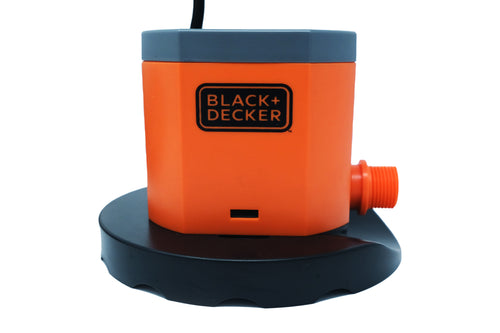
The peace-of-mind factor: Automatic operation means your pump responds to that 2 AM rainstorm without requiring you to go outside in your pajamas.
Cord and Hose Length
This is more important than many people realize. You need enough power cord to reach a GFCI outlet and enough discharge hose to direct water away from your pool.
Minimum recommendations:
-
Power cord: At least 20-25 feet (longer is better)
-
Discharge hose: At least 25-30 feet
Short cords and hoses are frustrating limitations that force you into awkward pump placement or require extension cords (which should always be rated for outdoor use and protected by GFCI).
Build Quality and Durability
Your winter cover pump sits outside through freeze-thaw cycles, potential snow load, and constant moisture. Thermoplastic housings that resist corrosion and impact are worth paying for. Sealed motors prevent water intrusion that kills cheaper pumps prematurely.
Intake Screen Quality
The intake screen is your first line of defense against debris clogging the pump. Look for fine mesh screens that block leaves and twigs while allowing good water flow. Some pumps have removable screens that make cleaning much easier.
Why 1500 GPH Is the Sweet Spot for Most Pool Owners
After years of helping pool owners choose cover pumps, we've found that 1500 GPH capacity hits the perfect balance for the majority of situations. Here's why:
Speed without overkill: A 1500 GPH pump clears water quickly enough that you're not waiting hours for results, but it's not so overpowered that you're paying for capacity you don't need.
Handles variability: Some weeks you'll get light drizzle; others might bring heavy storms. A 1500 GPH pump handles both scenarios confidently without being overwhelmed.
Future-proof: If you upgrade to a larger pool or move to a rainier climate, your pump investment continues serving you well.
Efficient operation: Modern 1500 GPH pumps are energy-efficient, so the higher capacity doesn't translate to dramatically higher electricity costs compared to smaller pumps.
Featured Product Spotlight: The Complete Solution
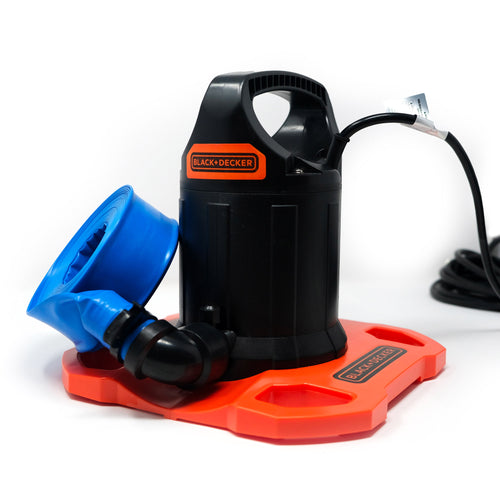
The BLACK+DECKER 1500 GPH Automatic Water Removal Winter Submersible Swimming Pool Cover Pump at $89.99 represents everything we've discussed in one comprehensive package.
Why this pump stands out:
Powerful 1500 GPH capacity: Removes water quickly from covers of all sizes, handling everything from routine rain to heavy storm accumulation with ease.
Automatic operation: Built-in sensor detects water presence and controls pump operation without your involvement. Set it once in fall and forget about it until spring.
Professional-grade cord and hose lengths: The 25-foot power cord reaches distant outlets without extensions, while the 30-foot discharge hose ensures water drains far from your pool area. These generous lengths eliminate the frustrating limitations of shorter-corded pumps.
Trusted BLACK+DECKER quality: This isn't a no-name import that might last one season. BLACK+DECKER's reputation for durable outdoor power equipment means you're investing in reliability that lasts multiple winters.
Submersible design: Built specifically for the constant moisture exposure of winter cover pumping, with sealed components that resist water intrusion and corrosion.
Proper intake screening: Effective debris filtration protects the pump mechanism while maintaining strong flow rates.
Winter-ready construction: Thermoplastic housing withstands freeze-thaw cycles that crack inferior materials.
At $89.99, this pump delivers professional-quality features at a price that makes sense for homeowners protecting pool covers ranging from modest above-ground pools to large in-ground installations.
Installation and Positioning Best Practices
Even the best pump won't perform well if improperly positioned. Here's how to set up for success:
Finding the Optimal Location
Place at the lowest point: Water naturally flows to the deepest spot on your sagging cover. Position your pump there for maximum efficiency and to take full advantage of automatic sensor operation.
Create a pump cradle: Some pool owners place the pump on a small square of pool noodle or foam to elevate it slightly above any sediment while still allowing water access. This simple trick can extend pump life by reducing debris intake.
Discharge Hose Management
Direct water away: Position your discharge hose so water flows at least 10-15 feet from your pool area. Water draining back toward the pool defeats the entire purpose.
Secure the hose: Use landscape staples, zip ties to deck posts, or weights to keep the discharge hose in place during pump operation. A loose hose can whip around or drain water where you don't want it.
Prevent freezing: In very cold climates, try to position the hose with a slight downward slope so water drains completely after the pump shuts off. Standing water in the hose can freeze and block future drainage.
Electrical Safety Considerations
GFCI protection is mandatory: Never operate a submersible pump without GFCI protection. This is a safety requirement, not a suggestion. If your outdoor outlets aren't GFCI-protected, have an electrician install them—it's worth every penny.
Protect connections: Even with outdoor-rated equipment, consider using a weatherproof cord connection cover where your pump cord meets any extension cord. This prevents moisture intrusion at connection points.
Elevate if possible: If your outlet is low to the ground, consider using a short outdoor-rated extension cord to create a drip loop that prevents water from running directly into the outlet.
Maintenance Tips for Long Pump Life
A well-maintained 1500 GPH pump can serve you for many seasons. Here's how to extend its lifespan:
Monthly checks during active season: Visit your covered pool every few weeks during winter. Check that the pump is clean, the hose is properly positioned, and everything is functioning correctly.
Clean the intake screen regularly: Remove any accumulated leaves, twigs, or debris from the screen. This five-minute task prevents most pump problems.
Inspect hose connections: Make sure hose fittings are secure and not cracked or damaged by cold weather.
Test automatic sensors: Occasionally trigger the automatic sensor (if your pump has one) to verify it's responding correctly. Most can be tested by adding a small amount of water around the sensor area.
Spring storage routine: When pool season returns, run the pump in clean water for a few minutes to flush out any sediment. Let it dry completely before storing indoors in a cool, dry location. Proper storage prevents moisture damage during the off-season.
Red Flags: Signs Your Current Pump Isn't Adequate
If you already have a cover pump but you're experiencing these issues, it might be time to upgrade to a higher GPH rating:
Water accumulation keeps outpacing your pump: If you're constantly finding significant water on your cover despite the pump running, you need more capacity.
Pump runs for many hours: A pump that runs 4-6+ hours after normal rainfall is underpowered for your cover size.
You're monitoring it constantly: If you're checking and restarting your pump multiple times per week because it can't keep up, the stress isn't worth it—upgrade to a higher GPH model.
Physical cover damage: Seeing stretch marks, tears, or permanent sagging in your cover? Past water accumulation has exceeded your pump's ability to protect your investment.
Making Your Decision: Is 1500 GPH Right for You?
Let's make this practical. A 1500 GPH pump like the BLACK+DECKER 1500 GPH Automatic Water Removal Winter Submersible Swimming Pool Cover Pump is an excellent choice if:
✓ You have a pool cover larger than 15×30 feet
✓ You live in an area with regular winter precipitation
✓ You want fast water removal (under 1-2 hours for typical accumulation)
✓ You'd rather over-capacity than under-capacity
✓ You're not home regularly to monitor pump operation
✓ You want automatic, hands-off operation
✓ You're protecting a pool cover investment worth hundreds of dollars
A lower GPH rating might work if:
✓ You have a very small cover (under 15 feet in any dimension)
✓ You live in an extremely dry climate with rare precipitation
✓ You're home daily to monitor pump operation
✓ Budget is your primary concern and you need the absolute minimum investment
For the vast majority of pool owners, 1500 GPH provides the performance, speed, and reliability that makes winter cover protection truly worry-free.
Your Next Step: Protecting Your Investment
Your pool cover represents a significant investment in your pool's protection, safety, and maintenance efficiency. A quality submersible pump with adequate GPH capacity is the insurance policy that ensures your cover survives winter intact and ready for another season.
The BLACK+DECKER 1500 GPH Automatic Water Removal Winter Submersible Swimming Pool Cover Pump delivers the pumping power, automatic convenience, and professional-grade features you need at a price that respects your budget. At $89.99, it's a smart investment in hassle-free winter pool ownership.
Ready to stop worrying about water accumulation on your pool cover? Browse our complete selection of submersible cover pumps, and remember—our team is here to help. If you have questions about GPH requirements for your specific situation, pump placement, or any aspect of winter pool cover protection, don't hesitate to reach out. We're committed to helping you make the right choice for years of reliable performance.
Protect your pool cover with confidence. Shop our cover pumps today and enjoy the peace of mind that comes with proper winter water management.