There's nothing quite like the disappointment of looking out at your beautiful inground pool on a cool spring or fall day, knowing the water is just too cold for comfortable swimming. You invested in a pool to extend your outdoor season and create lasting memories with family and friends—not to watch it sit unused for months because the temperature isn't right.
The solution is clear: you need a pool heater. But here's where many pool owners hit a wall of confusion. Should you go with a traditional gas heater that can heat your pool quickly, or invest in an electric heat pump that promises energy savings? The stakes feel high—we're talking about a significant investment that will affect your enjoyment and operating costs for years to come.
We've helped thousands of pool owners navigate this exact decision, and here's what we've learned: there's no universally "best" option. The right heater depends on your climate, how you use your pool, your budget, and what matters most to you. In this comprehensive guide, we'll break down everything you need to know about gas heaters versus electric heat pumps so you can make a confident, informed decision that's perfect for your specific situation.
Understanding the Fundamental Difference
Before we dive into the details, let's establish the core distinction between these two heating technologies—because they work in completely different ways.
Gas Heaters: The Direct Heat Approach
Gas heaters (whether natural gas or propane) work much like your home's furnace. They burn fuel to generate heat, which transfers to your pool water as it circulates through the heater. Think of it as a very powerful, very efficient water kettle—you're directly heating the water with combustion.
The key characteristic: Gas heaters create heat through fuel combustion. They're generating thermal energy from scratch, which means they can work in any temperature and heat your pool very quickly.
Electric Heat Pumps: The Heat Transfer Approach
Electric heat pumps don't generate heat—they move it. These systems work like an air conditioner in reverse, extracting warmth from the outside air and transferring it to your pool water. Even when the air feels cool to you (say, 50°F), there's still thermal energy present that a heat pump can capture and concentrate.
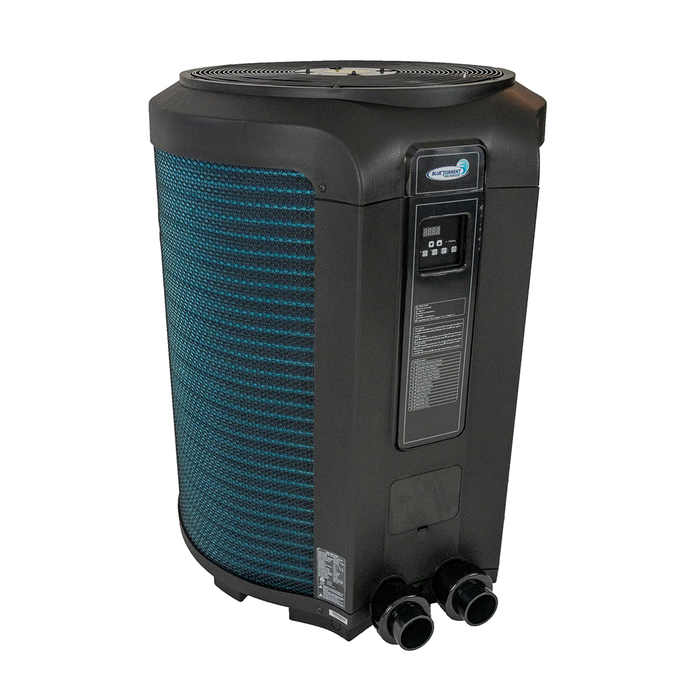
The key characteristic: Heat pumps are heat movers, not heat makers. This makes them incredibly energy-efficient, but it also means they depend on warm enough ambient air to function effectively.
This fundamental difference explains almost everything else about how these heaters perform, cost to operate, and fit different pool owner needs.
Gas Heaters: Speed and Power
Let's start with gas heaters and understand exactly what they bring to the table.
How Gas Heaters Excel
Rapid heating capability: This is where gas heaters absolutely shine. Need to heat your pool from 65°F to 82°F for a weekend party? A properly sized gas heater can accomplish this in hours rather than days. For pool owners who heat on-demand rather than maintaining constant temperature, this speed is invaluable.
Temperature-independent operation: Whether it's 35°F or 95°F outside, your gas heater performs consistently. This makes gas heaters the preferred choice in cooler climates where electric heat pumps struggle or can't operate at all.
Proven technology: Gas pool heaters have been the standard for decades. Technicians know them, parts are readily available, and the technology is mature and reliable.
Lower upfront cost: While this varies by model and size, gas heaters typically cost less to purchase and install than electric heat pumps of comparable pool-heating capacity.
Where Gas Heaters Fall Short
Significantly higher operating costs: Here's the big drawback—gas heaters are expensive to run. Depending on local gas prices, heating your pool can cost $200-$500+ per month during heavy use periods. Natural gas is generally cheaper than propane, but both are substantially more expensive than the electricity used by heat pumps.
Environmental impact: Burning fossil fuels produces carbon emissions. If environmental footprint matters to you, this is worth considering.
Shorter lifespan: Gas heaters typically last 5-10 years with proper maintenance, compared to 10-20 years for quality heat pumps. The combustion process and higher operating temperatures create more wear and tear.
Higher maintenance requirements: Combustion systems need regular professional maintenance, including burner cleaning, heat exchanger inspection, and ventilation checks.
Best Use Cases for Gas Heaters
Gas heaters make the most sense when:
✓ You live in a climate with cool nights or short swimming seasons
✓ You heat your pool occasionally rather than maintaining constant temperature
✓ You need rapid temperature increase (heating for weekend use, parties, etc.)
✓ Ambient temperatures regularly drop below 50°F during your swimming season
✓ Lower upfront cost is a priority over long-term operating expenses
✓ You're heating a spa that requires very hot water (100°F+)
Electric Heat Pumps: Efficiency and Consistency
Now let's explore electric heat pumps and why they've become increasingly popular among pool owners.
How Electric Heat Pumps Excel
Exceptional energy efficiency: This is the heat pump's superpower. For every unit of electricity consumed, a quality heat pump can transfer 5-6 units of heat energy to your pool. This efficiency ratio (called COP or Coefficient of Performance) makes heat pumps cost 50-80% less to operate than gas heaters in appropriate conditions.
Lower operating costs: In most climates, running an electric heat pump costs $50-150 per month compared to $200-500+ for gas heaters. Over a swimming season, the savings can be substantial—often enough to offset the higher purchase price within 2-3 years.
Longer lifespan: Quality heat pumps routinely last 10-20 years with basic maintenance. This extended lifespan means better long-term value despite higher initial investment.
Quieter operation: Modern heat pumps run much quieter than gas heaters, with sound levels comparable to a central air conditioning unit. Your neighbors will appreciate this.
More environmentally friendly: Heat pumps don't burn fossil fuels and can run on renewable electricity sources. Their carbon footprint is significantly smaller than gas heaters.
Lower maintenance requirements: Without combustion systems, heat pumps need less frequent professional service. Annual basic maintenance is usually sufficient.
Where Electric Heat Pumps Fall Short
Slower heating speed: Heat pumps are marathoners, not sprinters. They typically raise pool temperature 1-3°F per hour depending on conditions, compared to 5-10°F per hour for gas heaters. This means they work best maintaining temperature rather than rapidly heating cold water.
Temperature-dependent performance: Heat pump efficiency drops as ambient temperature decreases. Most heat pumps become ineffective below 50°F and stop working entirely below 40-45°F. If you're trying to extend your season into genuinely cold weather, heat pumps may disappoint.
Higher upfront investment: Quality heat pumps cost more to purchase than comparable gas heaters—often $1,000-$2,000 more. For pool owners focused on initial costs rather than long-term value, this can be a barrier.
Requires consistent operation: Heat pumps work best when maintaining pool temperature continuously rather than heating on-demand. This means running them regularly throughout the season, which requires an adjustment in mindset if you're used to gas heaters.
Best Use Cases for Electric Heat Pumps
Heat pumps make the most sense when:
✓ You live in moderate to warm climates where temperatures rarely drop below 50°F during swimming season
✓ You prefer maintaining consistent pool temperature rather than heating on-demand
✓ Long-term operating cost savings matter more than upfront investment
✓ You swim frequently throughout the season (daily or several times per week)
✓ Environmental impact is a consideration in your decision
✓ You have access to affordable electricity rates
✓ Your swimming season aligns with warm weather months (May through September in most climates)
Breaking Down the Real Costs
Let's talk numbers—because understanding the full financial picture is crucial to making the right decision.
Upfront Investment Comparison
Gas heaters typically range from $1,500-$3,500 for the unit, plus $500-$1,500 for professional installation (which may include gas line work). Total: $2,000-$5,000.
Electric heat pumps like our featured products range from $1,499-$2,999 for the unit, plus $300-$800 for professional installation (generally simpler than gas installation). Total: $1,800-$3,800.
The initial investment is often comparable, with heat pumps sometimes costing slightly more depending on size and features.
Operating Cost Reality Check
Here's where the difference becomes dramatic. Let's use a real-world example:
Scenario: Heating a 15,000-gallon pool in a moderate climate
Gas heater operating costs (based on $1.50/therm natural gas):
-
Heating season: April through October (7 months)
-
Average monthly cost: $300-$400
-
Season total: $2,100-$2,800
Electric heat pump operating costs (based on $0.12/kWh electricity):
-
Same heating season: April through October
-
Average monthly cost: $80-$120
-
Season total: $560-$840
Annual savings with heat pump: $1,540-$1,960
This means even if the heat pump costs $1,500 more upfront, it pays for itself in the first season. Every year after that, you're pocketing those savings.
Important note: These calculations assume moderate climate conditions favorable to heat pump operation. In cooler climates where heat pumps are less efficient or can't operate, gas heaters may be the only viable option regardless of operating costs.
Featured Products: The Right Heat Pump for Your Pool
Based on years of customer feedback and performance data, we've identified three standout heat pump options that deliver exceptional value:
For Small to Medium Pools (Up to 7,500 Gallons)
The Energy-Saving ComforTemp Pool Heat Pump 32,000 BTU at $1,499.99 is perfect for smaller inground pools or large above-ground installations.
Why this model stands out:
-
32,000 BTU heating capacity efficiently handles pools up to 7,500 gallons
-
Energy-efficient operation delivers 5-6x more heat energy than electricity consumed
-
Compact footprint fits smaller equipment pads without crowding
-
Affordable entry point to heat pump technology with professional-grade performance
-
Quiet operation won't disturb backyard relaxation or neighbors
Best for: Smaller inground pools (12×24 to 15×30), large above-ground pools, or pool owners making their first heat pump investment.
For Medium to Large Pools (Up to 10,000 Gallons)
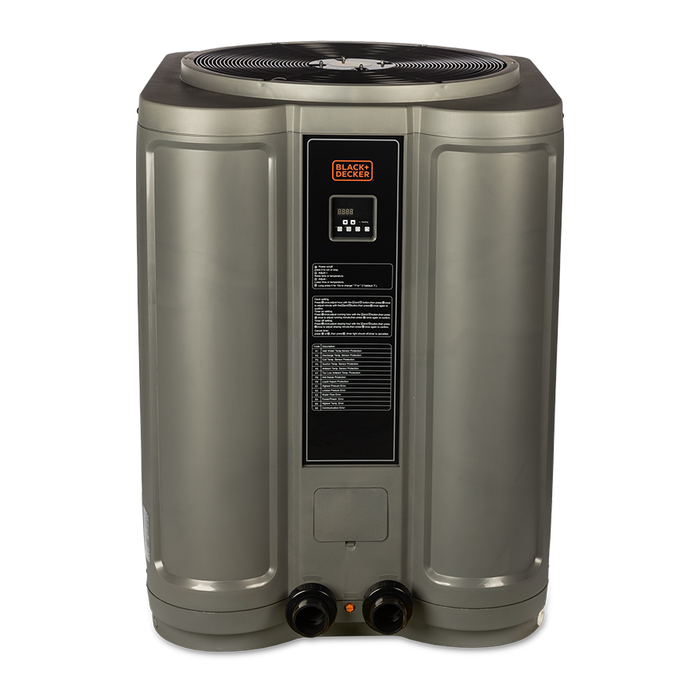
The Energy-Saving BLACK + DECKER Pool Heat Pump 53,000 BTU at $1,699.99 represents the sweet spot for many pool owners.
Why this model stands out:
-
53,000 BTU capacity handles most residential inground pools up to 10,000 gallons
-
Trusted BLACK + DECKER brand quality and warranty support
-
Optimized efficiency maintains comfortable temperatures without excessive energy use
-
Durable construction withstands years of outdoor exposure
-
Digital controls make operation simple and intuitive
Best for: Standard residential inground pools (16×32 to 18×36), pool owners seeking brand reliability, and families who swim regularly throughout the season.
For Large Pools (Up to 25,000 Gallons)
The Energy-Saving BLACK + DECKER Pool Heat Pump 110,000 BTU at $2,999 delivers professional-grade heating for larger installations.
Why this model stands out:
-
Powerful 110,000 BTU capacity handles large pools up to 25,000 gallons
-
Superior efficiency even with substantial water volumes
-
Built for demanding applications and extended season use
-
Robust construction ensures reliable performance year after year
-
Maintains comfortable temperatures in pools that would overwhelm smaller units
Best for: Large inground pools (20×40 and up), pool owners extending their season into cooler months, or families who demand consistent, reliable heating regardless of conditions.
Climate Considerations: What Works Where
Your local climate is perhaps the single most important factor in choosing between gas and electric heat pumps.
Warm Climate Zones (Southern U.S., Southern California, Hawaii)
Recommendation: Electric heat pumps are the clear winner.
With ambient temperatures staying above 60°F for most of the year, heat pumps operate at peak efficiency. The extended swimming season means substantial operating cost savings that quickly justify the investment. Gas heaters rarely make sense in these climates unless you need rapid heating capability.
Moderate Climate Zones (Mid-Atlantic, Southern Midwest, Pacific Northwest)
Recommendation: Electric heat pumps with strategic use.
Heat pumps work well during the core swimming season (May-September) when temperatures are favorable. Consider solar covers to retain heat overnight and reduce runtime. Some pool owners in these zones opt for heat pumps but understand they may need to end their season earlier when fall temperatures drop significantly.
Cool Climate Zones (Northern U.S., Mountain States, Canada)
Recommendation: Gas heaters or dual systems.
When your swimming season includes weeks where ambient temperatures regularly drop below 50°F, gas heaters become more practical. Some serious swimmers invest in both—using the heat pump during moderate weather and the gas heater during cooler periods or for rapid heating.
Variable Climate Zones (Southwest Deserts, High Elevation)
Recommendation: Depends on elevation and season focus.
Hot days favor heat pumps, but cool nights and high elevation can hamper their efficiency. Evaluate your specific microclimate and when you actually swim. Desert pool owners swimming June-August in 90°F+ weather get excellent heat pump performance; those swimming year-round may need gas backup.
Hybrid Approaches: Getting the Best of Both
Some pool owners choose not to choose—they install both systems and use each when it makes the most sense.
The hybrid strategy:
-
Use the heat pump as your primary heater during moderate weather
-
Switch to gas heating during cold snaps or when rapid heating is needed
-
Enjoy operating cost savings most of the season while maintaining flexibility
Who benefits from hybrid systems:
-
Pool owners in variable climates with warm and cool periods
-
Families who use their pool year-round in moderate climates
-
Those who want maximum season extension without compromise
-
Pool owners who can't predict their heating needs in advance
The trade-off: You're making a larger upfront investment (purchasing both systems), but you're gaining ultimate flexibility and optimizing operating costs across varying conditions.
Installation and Maintenance Considerations
Installation Requirements
Gas heaters require:
-
Gas line connection (natural gas or propane)
-
Proper venting and clearances for combustion
-
Professional installation by licensed contractors
-
Potential permits and inspections
Electric heat pumps require:
-
Dedicated electrical circuit (usually 220V)
-
Adequate airflow clearances around the unit
-
Professional installation (though generally simpler than gas)
-
Level equipment pad with proper drainage
Pro tip: Installation costs vary significantly by region and contractor. Get at least three quotes and verify all installers are licensed and insured. Proper installation directly impacts efficiency and longevity.
Ongoing Maintenance
Gas heaters need:
-
Annual professional inspection and cleaning
-
Burner assembly cleaning
-
Heat exchanger inspection
-
Ventilation system checks
-
Scale and corrosion management
Heat pumps need:
-
Annual coil cleaning (can be DIY)
-
Fan inspection and debris removal
-
Electrical connection checks
-
Refrigerant level verification (professional)
-
Regular filter cleaning
Both systems benefit from proper water chemistry, which prevents scale buildup that reduces efficiency and shortens lifespan.
Making Your Final Decision
Let's make this practical. Here's a decision framework based on real pool owner priorities:
Choose an Electric Heat Pump If:
✓ You live where ambient temperatures stay above 50°F during swimming season
✓ You swim frequently and prefer consistent pool temperature
✓ Long-term operating cost savings matter more than initial investment
✓ You're environmentally conscious and prefer efficient technology
✓ You want a lower-maintenance heating solution
✓ Your budget allows for the higher upfront cost
Our recommendation: The Energy-Saving BLACK + DECKER Pool Heat Pump 53,000 BTU at $1,699.99 serves most residential pools perfectly, delivering trusted brand quality, solid performance, and excellent long-term value.
Choose a Gas Heater If:
✓ You regularly swim when ambient temperatures drop below 50°F
✓ You prefer heating your pool on-demand rather than maintaining temperature
✓ You need rapid temperature increase capability
✓ Lower upfront cost is a priority
✓ Your swimming season is very short
✓ You're heating a spa requiring 100°F+ temperatures
Consider a Hybrid System If:
✓ You swim year-round in a climate with significant temperature variation
✓ You want ultimate flexibility
✓ Budget allows for both systems
✓ Maximum season extension is your priority
Your Path Forward
Choosing between gas and electric heating isn't just about BTUs and operating costs—it's about how you want to enjoy your pool. Do you envision jumping in whenever the mood strikes, even on cool evenings? Or are you looking for consistent, efficient comfort throughout a warm-weather season?
For most pool owners in moderate to warm climates who swim regularly, electric heat pumps deliver unbeatable long-term value. The Energy-Saving BLACK + DECKER Pool Heat Pump 53,000 BTU at $1,699.99 combines brand trust, proven performance, and operating efficiency that saves thousands of dollars over the heater's lifespan.
For those with different needs—cooler climates, occasional use, or rapid heating requirements—gas heaters remain excellent choices that deliver on their promises.
Ready to extend your swimming season? Explore our complete selection of pool heaters, and remember—we're here to help. If you have questions about sizing, installation, or which heating solution fits your specific situation, our team is just a phone call or email away. We're committed to helping you make the right choice for years of comfortable, enjoyable swimming.
Transform your pool into a year-round retreat. Shop our energy-efficient heat pumps today and discover the difference proper heating makes in your pool ownership experience.